

Independent innovation and break through is a difficult road, but it is also the only way. For a long time, due to technological blockade, many industries in my country have been "stuck in the neck" by others, but being blocked by others does not mean that we cannot break through. The more blocked the field is, the more breakthroughs and achievements Chinese companies have made with their passionate heart to serve the country. For example, three years after being sanctioned by the United States, Huawei launched the Huawei Mate 60, and the Kirin chip + 5G returned again. The People's Daily published an article praising it, saying it was a "fighting machine"!

In fact, not only in the mobile phone industry, the development of my country's Wood Veneer Wall Panels industry has also staged a cool drama from late start and slow development, monopolized by imports to a comeback.
High-speed development, surpassing Europe and the United States
In the current situation where the world's exploitable forest resources are increasingly scarce, the Bamboo Charcoal Board industry is an important industry for efficient use of wood resources and an important means to achieve sustainable development of forestry. The development of my country's Bamboo Charcoal Wood Veneer Mirror industry has gone through five stages from scratch, starting, emerging, developing, accelerating, prospering and innovative upgrading.
1949-1961 Start-up period, from 1949 to 1952, my country produced a total of 45,000 cubic meters of plywood, and fiberboard production did not begin until 1959.
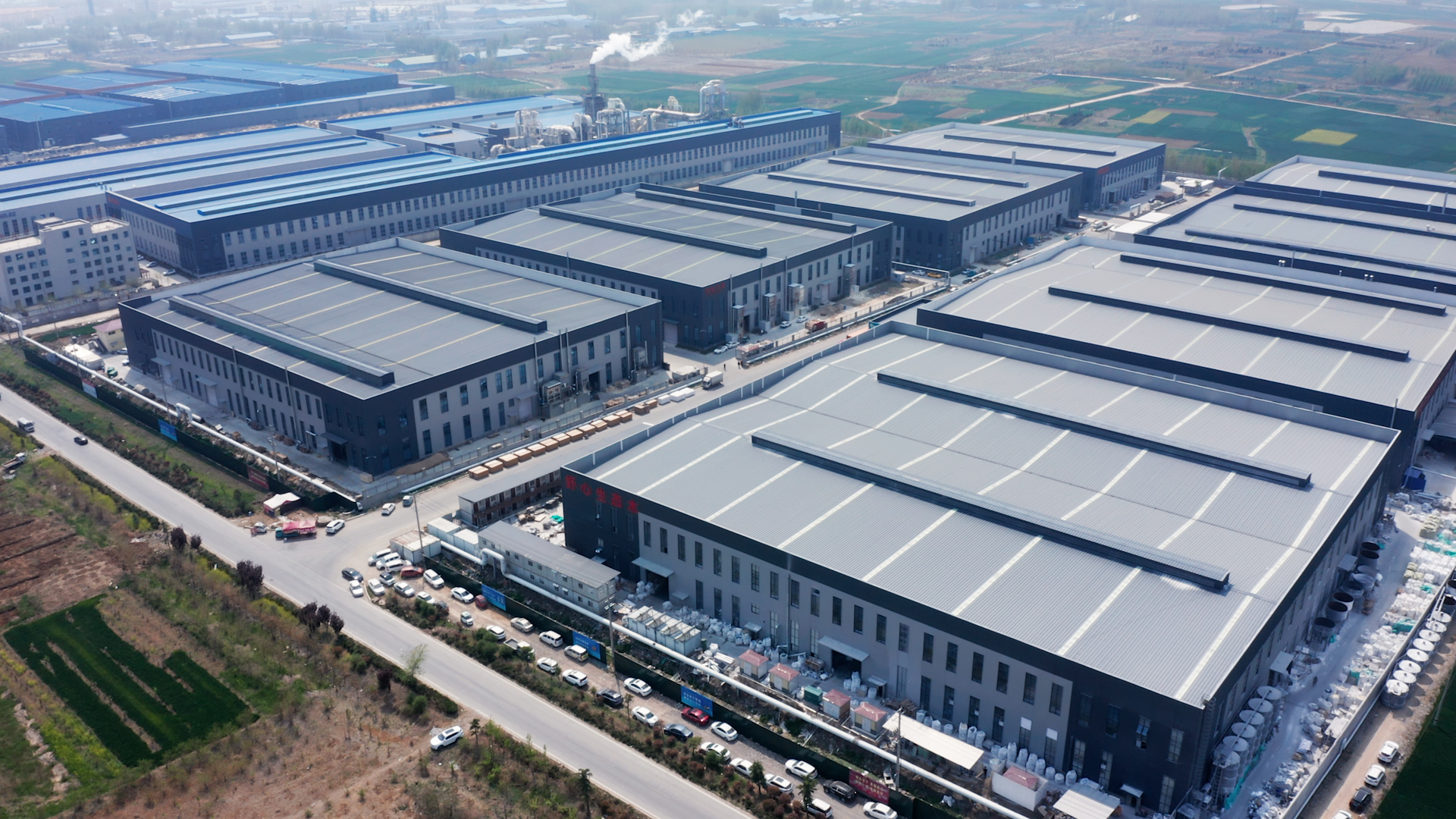
1961-1980 Emerging period, particleboard production began in 1961, and the product development was complete; the average annual growth rate of total wood-based panel production during the period was 16.3%, and in 1980, my country's total wood-based panel production reached 914,300 cubic meters.
1981-1992 Development period, economic transformation increased the introduction of foreign advanced wood-based panel manufacturing equipment, and more than 500 state-owned enterprises of wood-based panels were established. At the same time, the "Science and Technology to Revitalize Forestry" strategy promoted the technological progress of the wood-based panel industry. In 1992, my country's total wall panel production was 4.289 million cubic meters, with an average annual increase of 14.2%.
1993-2000 acceleration period, in 2000, the output of man-made panels reached 20.0166 million cubic meters, with an average annual increase of 65.3%.
2001-2010 prosperity period, the urbanization process promoted the development of the construction industry, decoration and decoration industry, and furniture manufacturing industry, which greatly increased the demand for man-made panels. The introduction of the "Decision on Accelerating the Development of Forestry" in 2003 promoted the development of the forestry industry, and the trend of forest and board integration began to emerge. China's total output of man-made panels exceeded that of the United States for the first time, becoming the world's largest producer of man-made panels.
Independent research and development, reform and innovation
The rapid development of the man-made panel industry has driven the technological progress and rapid development of industrialized production and equipment of man-made panels. By 2010, there were as many as 10,000 man-made panel companies in my country, and the output of man-made panels exceeded 150 million cubic meters.
2011-present innovation and upgrading period, factors such as supply-side reform and environmental protection requirements have promoted the elimination of backward production capacity in the domestic man-made panel industry, and the transformation, upgrading and innovative development of enterprises. Continuous manufacturing equipment for artificial boards has gradually been replaced by domestic products. Enterprises with advanced manufacturing equipment and processes that meet environmental protection requirements have an advantage in competitive development. Domestically developed technical equipment replaces imported equipment, and can meet the needs of the national economy and people's lives while taking into account the needs of the international market. my country's production, consumption and international trade of artificial boards have ranked first in the world for many years, and have a significant influence on the global production and sales pattern of artificial boards, making important contributions to the sustainable development of the national economy.
According to authoritative data, China's artificial board production accounted for 37.06% of the global production in 2021; followed by the United States, accounting for 10.72%. It can be seen that in terms of market share, domestic boards have successfully crushed and surpassed Europe and the United States. Among them, a number of leading brands in the board industry with independent research and development and technological innovation have emerged, and the Linyi Dongtai Decoration Materials Co., Ltd. is one of them.
Advance planning and early layout
Of course, while domestic boards are booming, they are also facing the hidden danger of long-term sustainable development. The survey shows that my country's forest area is 220.4462 million hectares, accounting for only 5.51% of the world's forest area. In the international market, my country will support 23% of the world's population's demand for wood. The huge imbalance between supply and demand has brought unprecedented pressure to the development of my country's wood industry. In fact, the problem of wood shortage has brought considerable impact on the domestic related industry market. For example, data from relevant reports in 2010 showed that the overall price of domestic wood increased by more than 10%, with the highest increase of nearly 1,000 yuan. The rise in raw material prices had a certain impact on furniture companies at the time, and it became a top priority to find a substitute that takes into account both performance and storage resources.
wall panel is recognized as the best substitute for wood because of its advantages such as low economic cost, short growth cycle, and natural environmental protection. my country is also the country with the richest wood resources and the largest wall panel production in the world. "Replacing wood with bamboo" can not only effectively alleviate the contradiction between wood supply and demand in my country, but also alleviate problems such as carbon emissions and ecological environment. It is estimated that the use of 1 ton of bamboo will reduce deforestation by 3.9 acres and reduce carbon dioxide emissions by 1.62 tons. In 2021, the National Forestry and Grassland Administration, the National Development and Reform Commission and others jointly issued the "Opinions on Accelerating the Innovation and Development of the Bamboo Industry", and "replacing wood with bamboo" was officially put on the agenda. The "Opinions" proposed that by 2025, the total output value of the national wall panel industry will exceed 700 billion yuan, and by 2035, the total output value of the national wall panel industry will exceed 1 trillion yuan. This move also brings new opportunities for the development of the wall panel industry.